Predictive SEO helps businesses identify future search trends before they become highly competitive. It uses search data, keyword patterns, and user behaviour to forecast what people may search for next. Many brands now use AI SEO strategies and services to plan content early, improve rankings, and stay ahead of competitors.
Search habits change fast. A keyword that works today may lose value in a few weeks. A topic with low traffic today may become popular next month. This shift has changed the way businesses plan their search strategy.
Businesses also rely on AI-supported SEO Services to understand market trends, search intent, and future keyword demand. These services help marketers make better decisions with less guesswork.
In this guide, you will learn:
- What predictive SEO means
- How it works
- The best AI SEO tools 2026
- Features that matter most
- Practical use cases
- Benefits for businesses and marketers
Want More Traffic and Better Rankings?
Reach more customers, improve search visibility, & build a strong online presence with a clear SEO strategy.

What Is Predictive SEO?
Predictive SEO is a method that uses search data, user behaviour, and trend patterns to forecast future search demand.
While traditional SEO focuses on current rankings and past performance. Predictive SEO looks ahead. It helps marketers spot rising topics before they become highly competitive.
For example:
- A travel company may notice growing searches for eco-tourism
- An online store may predict demand for seasonal products
- A technology blog may identify new industry topics early
This approach gives websites more time to create content and build authority.
Many businesses now combine predictive strategies with AI-supported SEO Services to improve long-term traffic growth.
Also Read: Why Businesses are Outsourcing to AI SEO Services in India
How Predictive SEO Works?
Predictive SEO analyzes patterns from different data sources and then identifies possible future trends. These systems examine:
- Search history
- Keyword growth
- User intent
- Seasonal patterns
- Competitor movement
- Content engagement
The goal is simple: to find opportunities before competitors do.
Search Pattern Analysis
Search engines collect a volume of user data every day. Predictive systems analyze this data to identify changes in search interest.
For instance:
- A sudden rise in searches for electric vehicles
- Growing interest in remote work tools
- Seasonal demand during holidays
This helps businesses prepare content early.
Keyword Forecasting
Keyword forecasting estimates future search volume. Instead of targeting crowded keywords, businesses can focus on rising search terms with lower competition.
This improves:
- Organic traffic
- Ranking opportunities
- Content planning
Many predictive SEO tools now provide keyword growth forecasts for months ahead.
Trend Detection
Trend analysis helps marketers discover topics before they peak. This process supports:
- Blog planning
- Product launches
- Video content
- Social campaigns
Strong AI trend analysis gives businesses a clear view of audience interest.
Competitor Monitoring
Predictive SEO also studies competitor activity.
It tracks:
- Ranking changes
- New content topics
- Keyword expansion
- Traffic movement
This insight helps businesses react faster.
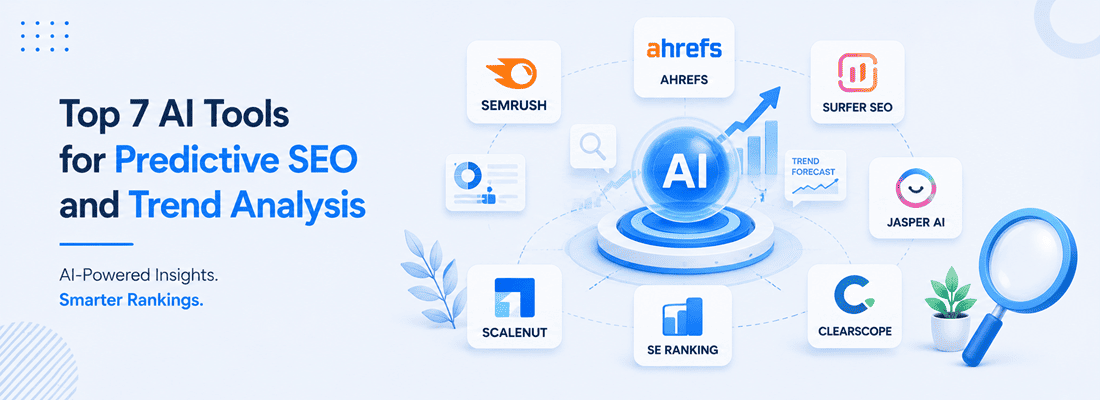
Best AI Tools for Predictive SEO and Trend Analysis
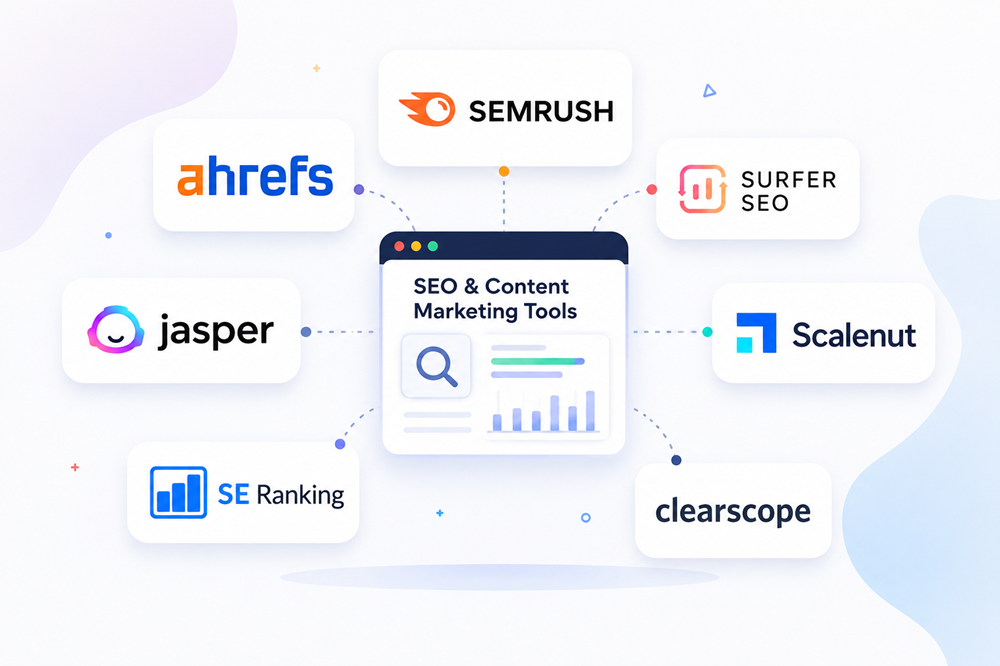
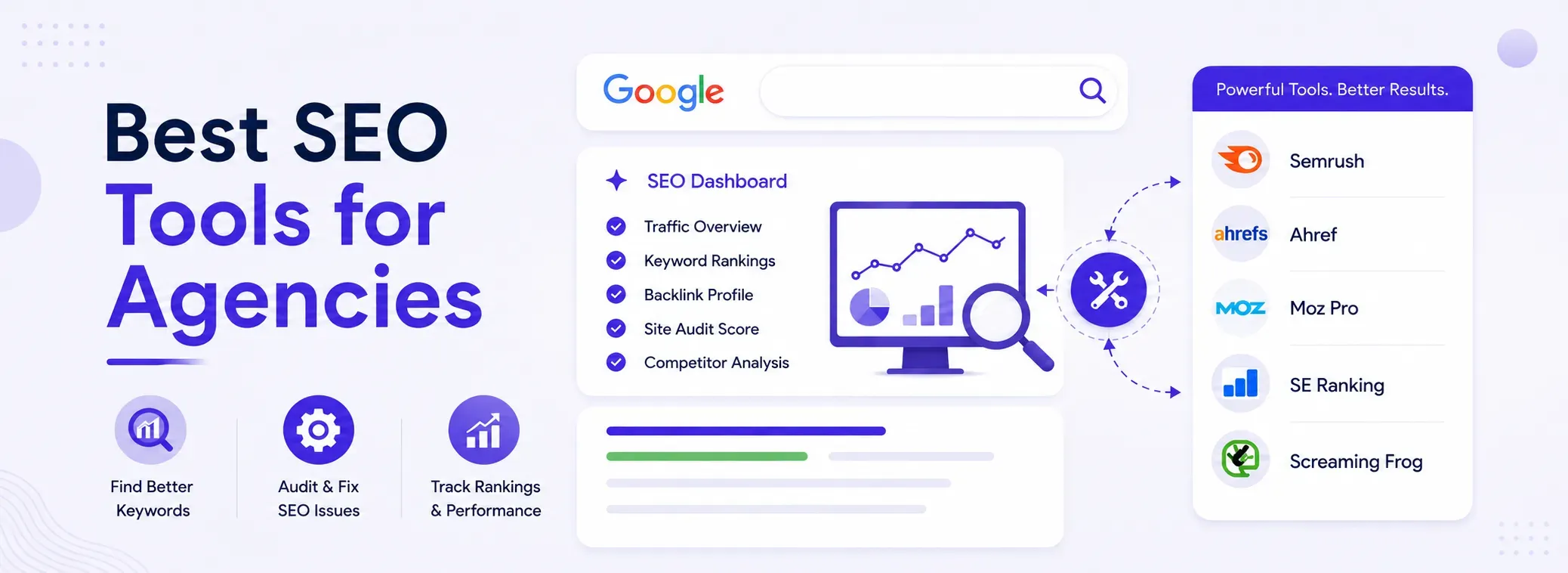
Smart SEO platforms now serve as essential business tools that help companies analyze search patterns, predict upcoming trends, and develop better content strategies. Marketers can use these systems to track their keyword performance, study their competition, and identify upcoming market opportunities. The following list of Predictive SEO software shows the most popular platforms people use for predictive SEO and trend analysis.
1. SEMrush AI Tools
SEMrush offers a wide range of features for keyword research, competitor tracking, and trend forecasting. It helps businesses identify changes in search demand and discover new ranking opportunities.
Key Features
- Keyword trend forecasting
- Competitor traffic analysis
- Search visibility tracking
- Content planning insights
- Site performance monitoring
Best For
- Digital marketing agencies
- Medium and large businesses
- Competitive market analysis
Why does it help Predictive SEO?
The platform analyzes search trends and competitor data to highlight future keyword opportunities. Businesses can use these insights to create content before competition increases.
2. Ahrefs AI Features
Ahrefs is known for backlink analysis and keyword research. Its advanced search data also supports predictive SEO planning.
Key Features
- Keyword difficulty analysis
- Search trend tracking
- Competitor keyword monitoring
- Content gap analysis
- Traffic forecasting
Best For
- SEO professionals
- Content marketers
- Link-building campaigns
Why does it help Predictive SEO?
The platform helps marketers discover rising search topics and understand competitor growth patterns. This improves long-term content planning.
3. Surfer SEO
Surfer SEO focuses on content optimization and search intent analysis. It studies high-ranking pages and provides recommendations for better content structure.
Key Features
- Content optimization suggestions
- Keyword clustering
- Search intent analysis
- SERP comparison
- Content scoring
Best For
- Bloggers
- Content teams
- SEO writers
Why does it help Predictive SEO?
Surfer SEO helps marketers create content that matches changing search behaviour. It supports better ranking potential through data-driven content planning.
4. Jasper AI for SEO Content
Jasper supports content creation and topic development for SEO campaigns. It helps businesses create content faster while maintaining topic relevance.
Key Features
- Blog content generation
- Topic suggestions
- Content structure support
- Keyword-focused writing
- Content planning assistance
Best For
- Content creators
- Small businesses
- Marketing teams
Why does it help Predictive SEO?
The platform helps marketers respond quickly to emerging trends and publish content around growing search topics.
5. Scalenut
Scalenut combines keyword research, content planning, and optimization tools in one platform. It supports long-form content strategies and topic analysis.
Key Features
- Keyword clustering
- Topic research
- Content optimization
- Search trend analysis
- Content planning workflows
Best For
- SEO agencies
- Content marketers
- Growing businesses
Why does it help Predictive SEO?
Scalenut helps businesses identify future content opportunities and organise content around search demand trends.
6. SE Ranking
SE Ranking provides keyword tracking, competitor analysis, and website monitoring tools. It supports businesses looking for a simple SEO management platform.
Key Features
- Rank tracking
- Keyword forecasting
- Competitor monitoring
- Website audit tools
- Traffic analysis
Best For
- Small businesses
- Freelancers
- Local SEO campaigns
Why does it help Predictive SEO?
The platform helps businesses monitor search movement and prepare for ranking changes before they affect traffic.
7. Clearscope
Clearscope focuses on content quality and topical relevance. It analyzes search results and recommends content improvements based on user intent.
Key Features
- Content grading
- Topic relevance analysis
- Keyword recommendations
- Readability support
- Search intent optimization
Best For
- Content publishers
- Enterprise websites
- Editorial teams
Why does it help Predictive SEO?
Clearscope helps businesses create highly relevant content that aligns with changing search intent and topic demand.
Also Read: How Search Generative Experience (SGE) Impacts AI SEO Services
Key Features to Look for in AI Predictive SEO Tools
Not every platform offers the same value. Businesses should focus on features that improve forecasting accuracy and content planning.
Trend Forecasting
Good systems identify growing search topics before they become competitive.
This allows businesses to:
- Publish content early
- Build authority faster
- Gain stable rankings
Strong AI trend analysis depends on accurate forecasting.
Keyword Prediction
Keyword prediction helps marketers target phrases with future growth potential.
This improves:
- Organic reach
- Search visibility
- Content performance
Many predictive SEO tools now include keyword forecasting dashboards.
Competitor Tracking
Competitor monitoring is important for predictive SEO.
Useful systems track:
- New ranking keywords
- Content updates
- Search visibility growth
- Traffic changes
This insight helps businesses respond quickly.
Search Intent Analysis
Understanding user intent is essential for modern SEO.
Predictive systems examine:
- Informational searches
- Transactional searches
- Navigational searches
- Commercial intent
This improves content relevance.
Traffic Forecasting
Traffic forecasting estimates future organic growth.
Businesses use this data to:
- Plan budgets
- Set targets
- Prioritise content
- Measure ROI
Reporting and Visualisation
Clear reporting makes SEO planning easier.
Useful reports include:
- Trend graphs
- Keyword movement
- Traffic predictions
- Competitor comparisons
Simple dashboards improve decision-making.
Comparison Table
| Feature | Keyword Forecasting | Trend Monitoring | Competitor Tracking | Content Planning | Technical Forecasting |
| Future keyword analysis | Yes | Limited | No | Moderate | No |
| Trend detection | Moderate | Strong | Moderate | Moderate | No |
| Competitor insights | Limited | No | Strong | Moderate | No |
| Content suggestions | Moderate | Moderate | Limited | Strong | No |
| Technical SEO support | No | No | No | Limited | Strong |
| Traffic forecasting | Moderate | Moderate | Strong | Moderate | Moderate |
What are the Use Cases of Predictive SEO Tools
Predictive SEO supports many industries and business models.
E-commerce Websites
Online stores use predictive data to identify:
- Seasonal demand
- Product trends
- Shopping behaviour changes
This helps them prepare landing pages before peak demand begins.
Content Marketing
Publishers and bloggers use predictive insights to discover future topics.
This improves:
- Traffic growth
- Reader engagement
- Search visibility
Many content teams rely on AI SEO strategies for long-term planning.
Local Businesses
Local companies use predictive analysis to track regional search behaviour.
This helps them:
- Optimise local keywords
- Prepare seasonal campaigns
- Improve local visibility
Digital Marketing Agencies
Agencies use predictive tools to support client campaigns.
They monitor:
- Market trends
- Competitor movement
- Search opportunities
This improves campaign planning and reporting.
News and Media Platforms
News websites need fast trend detection.
Predictive systems help them:
- Spot breaking topics
- Publish content early
- Increase traffic during trend spikes
Benefits of Using AI for Predictive SEO
Predictive SEO offers several advantages for businesses.
Better Content Planning
Businesses can create content before search competition increases.
This improves ranking opportunities.
Faster Decision-Making
Forecasting tools reduce manual research.
Teams can react to search changes more quickly.
Improved Traffic Growth
Targeting future trends often leads to stronger long-term traffic.
Many businesses using AI SEO Services focus on sustainable growth rather than short-term ranking gains.
Competitive Advantage
Predictive analysis helps brands stay ahead of competitors.
Early content creation often leads to:
- Better rankings
- More backlinks
- Higher authority
Stronger User Experience
Trend forecasting supports better content relevance.
Users find:
- More useful information
- Updated content
- Faster answers
This improves engagement signals.
Better Resource Management
Businesses can focus on high-potential topics instead of wasting effort on low-value keywords.
This improves marketing efficiency.
Challenges of Predictive SEO
While predictive SEO offers many benefits, it also has limitations.
Data Accuracy Issues
Forecasting depends on data quality.
Poor data can lead to weak predictions.
Sudden Search Changes
Search behaviour can change quickly due to:
- News events
- Technology updates
- Consumer trends
Predictions may not always remain accurate.
High Competition
Once a trend becomes visible, many websites target it quickly.
Businesses still need strong content to rank well.
Need for Human Input
Predictive systems support decision-making, but human judgment remains important.
Marketers still need to:
- Understand audience needs
- Create useful content
- Build trust
The Future of Predictive SEO
Predictive SEO will continue to grow as search behaviour evolves.
Businesses now focus on:
- User intent
- Personalised search
- Real-time search trends
- Voice search behaviour
Future SEO strategies will rely more on forecasting and trend analysis.
Many experts believe the best AI SEO tools 2026 will focus heavily on:
- Search prediction
- Content automation
- Audience behaviour analysis
- Real-time SEO recommendations
This shift will change how businesses plan digital marketing strategies.
Conclusion
Overall, Search engines continue to evolve, and businesses must adapt to changing search behaviour. Predictive SEO helps marketers prepare for future trends instead of reacting after rankings drop.
Modern AI SEO strategies focus on:
- Forecasting keyword demand
- Detecting rising topics
- Understanding audience behaviour
- Improving long-term visibility
Businesses also use AI SEO Services to improve planning, reduce research time, and build stronger content strategies.
The increasing need for SEO predictive systems demonstrates that digital marketing now depends heavily on its forecasting methods.
Organizations that identify upcoming search patterns at the beginning stage will receive higher search position results, and their website visitors will increase more effectively. The changing search patterns require predictive SEO to become an essential element that will drive successful SEO strategies in the future.
FREQUENTLY ASKED QUESTIONS
Predictive SEO functions as a strategic approach that analyzes search data together with keyword patterns and user navigation behavior to forecast upcoming search possibilities. The system enables companies to generate content at an earlier stage before their topics reach peak market competition.
Businesses can use predictive SEO tools to analyze keyword patterns and track their market rivals while discovering new search trends that have recently appeared. The process enhances content production efficiency, which leads to better organic website visitor numbers throughout multiple years.
Yes. AI SEO Services enable small businesses to enhance their keyword selection and content development and search engine position without needing to conduct extensive manual research.
The best AI SEO tools for 2026 consist of platforms that offer keyword prediction capabilities, competitor monitoring functions, content optimization tools, and search pattern tracking systems. Businesses need to select their tools based on their SEO targets and available financial resources.
Businesses can use Predictive SEO to discover new keywords that will become popular so they can build related content and track search pattern changes at a faster rate.